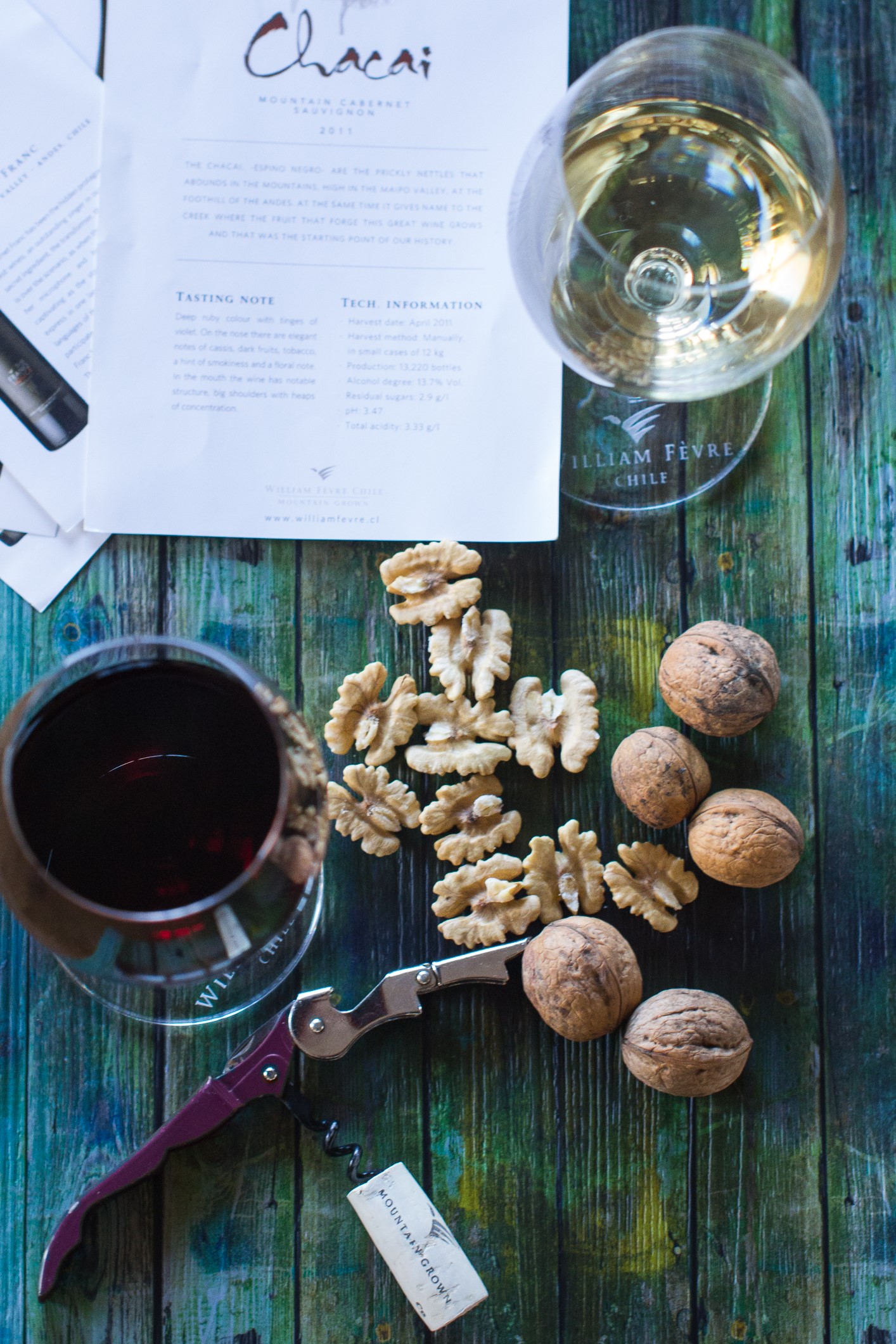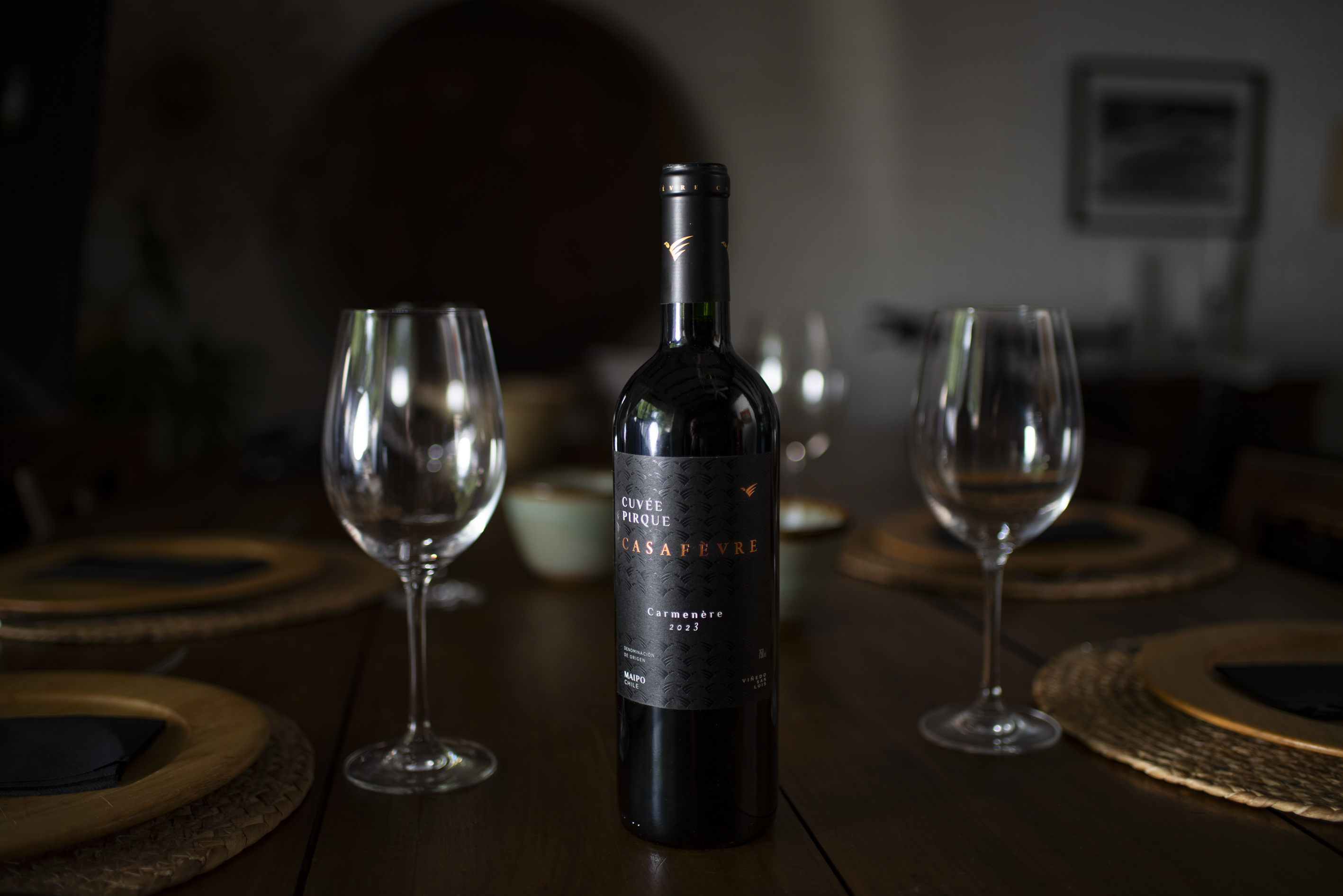
Wine is made to be enjoyed, more than analyzed. Don’t be afraid to experiment with different varieties and categories: each of us has different tastes that depend on our experiences or the moment, just as in other areas like music or beauty.
As our winemaker says, “There are no bad wines, only flawed ones: the best wines are the ones you love.”

Ready to drink or aged?
All our wines spend several months in the bottle after bottling, allowing them to be enjoyed when they reach your table. Depending on the variety and its category, they can also be aged further. White wines without oak, like our Sauvignon Blanc, are best enjoyed young to appreciate their freshness and acidity.
It is not a strict rule, but generally, the darker the wine, the more time it will need to reach its full expression. Wines produced for long aging reach their potential after extended periods, sometimes years, as is the case with our Chacai. This depends on factors such as concentration, barrel aging, acidity, and other technical details, like a longer, denser natural cork.
Storing
Avoid highly variable or extreme temperatures, below 5°C or above 20°C. Normal humidity (around 70%) is recommended to keep natural corks hydrated. Humidity above 80% can encourage mold and damage labels. Even for a short period, poor storage conditions can permanently affect quality.
If you plan to store a wine for more than ten years, it is advisable to have an expert replace the cork. Over time, natural cork tends to dry out and allow oxygen exchange. You can easily spot signs of such leakage on the cork at the bottle’s neck, with visible traces on the cork.
It is not necessary to store bottles upright, as the wine provides enough humidity in the air between the cork and the liquid… but isn’t it more romantic to have your bottles lying down, waiting for you to wake them?

Understanding & tasting
Understanding
You enjoy a friendship by getting to know someone more closely. The same goes for wine. Learning about its origin, its story, and its family helps you understand it better and enjoy it more.
How old is it? A young Pinot Noir can be vibrant, while a mature Chacai carries the manners of a kind and elegant gentleman.
Where was it born? The Franq Rouge comes from Chile’s easternmost vineyard, high in Boca Chica, on slopes related to the Uco Valley near Mendoza. Our Little Quino wines are from the Araucanía, with volcanic soils that quickly drain heavy rainfall, producing light and citrusy wines.
How is it dressed? Cuvée Pirque has a discreet, neutral label to highlight its place and origin in Pirque. Espino prefers Japanese-style watercolors with a hand-painted mountain, showing how the origin is enhanced by human hands.
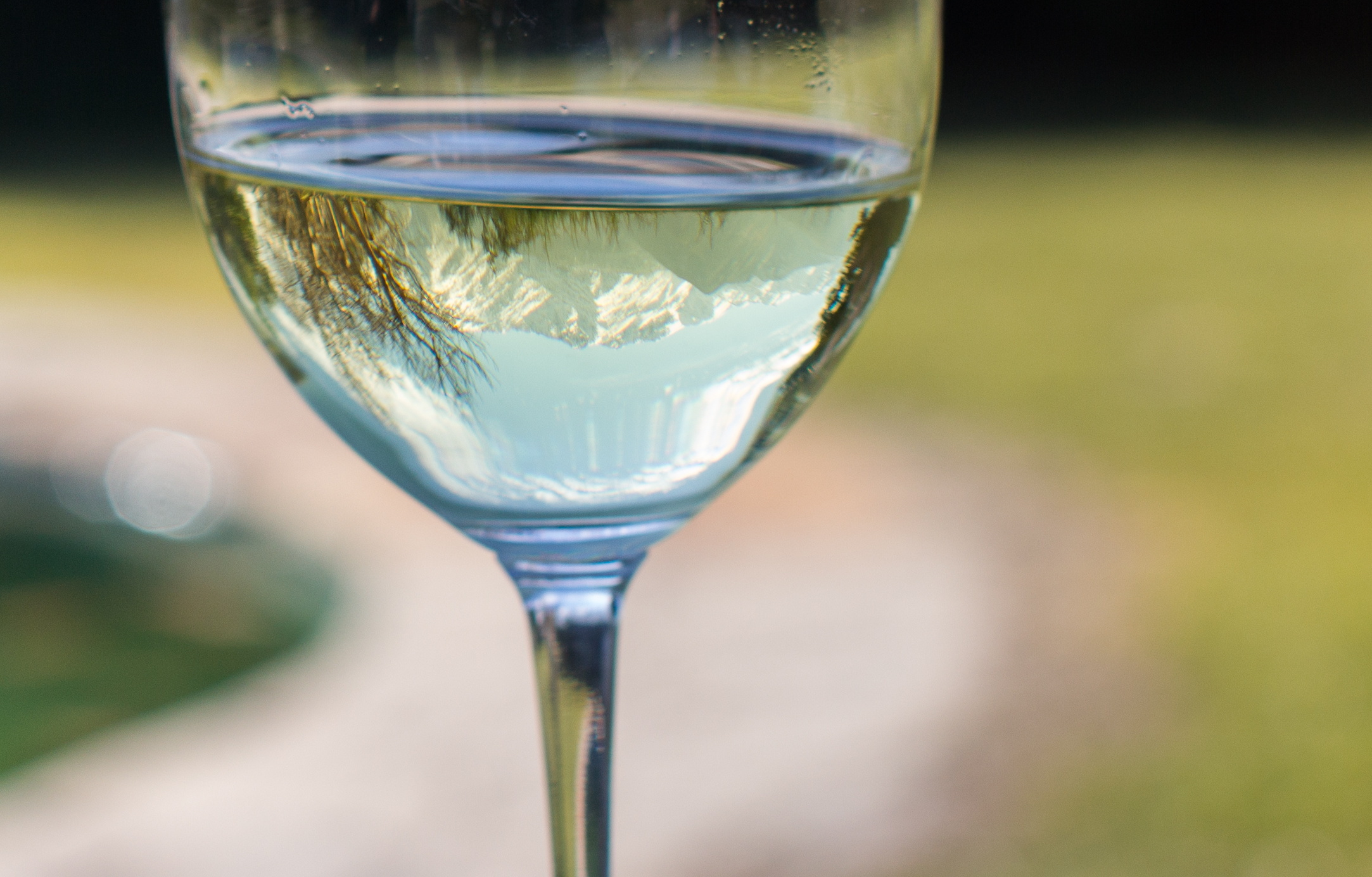
Can you see the mountain and its freshness reflected in your glass? Less sun exposure and cool night temperatures allow the harvest to be patiently awaited, without rushing sugar accumulation and therefore alcohol… resulting in balanced, pure wines.
Tasting
It’s not an analysis meant to impress with your knowledge; it’s about using what you know to enjoy a moment that stays in your memory.
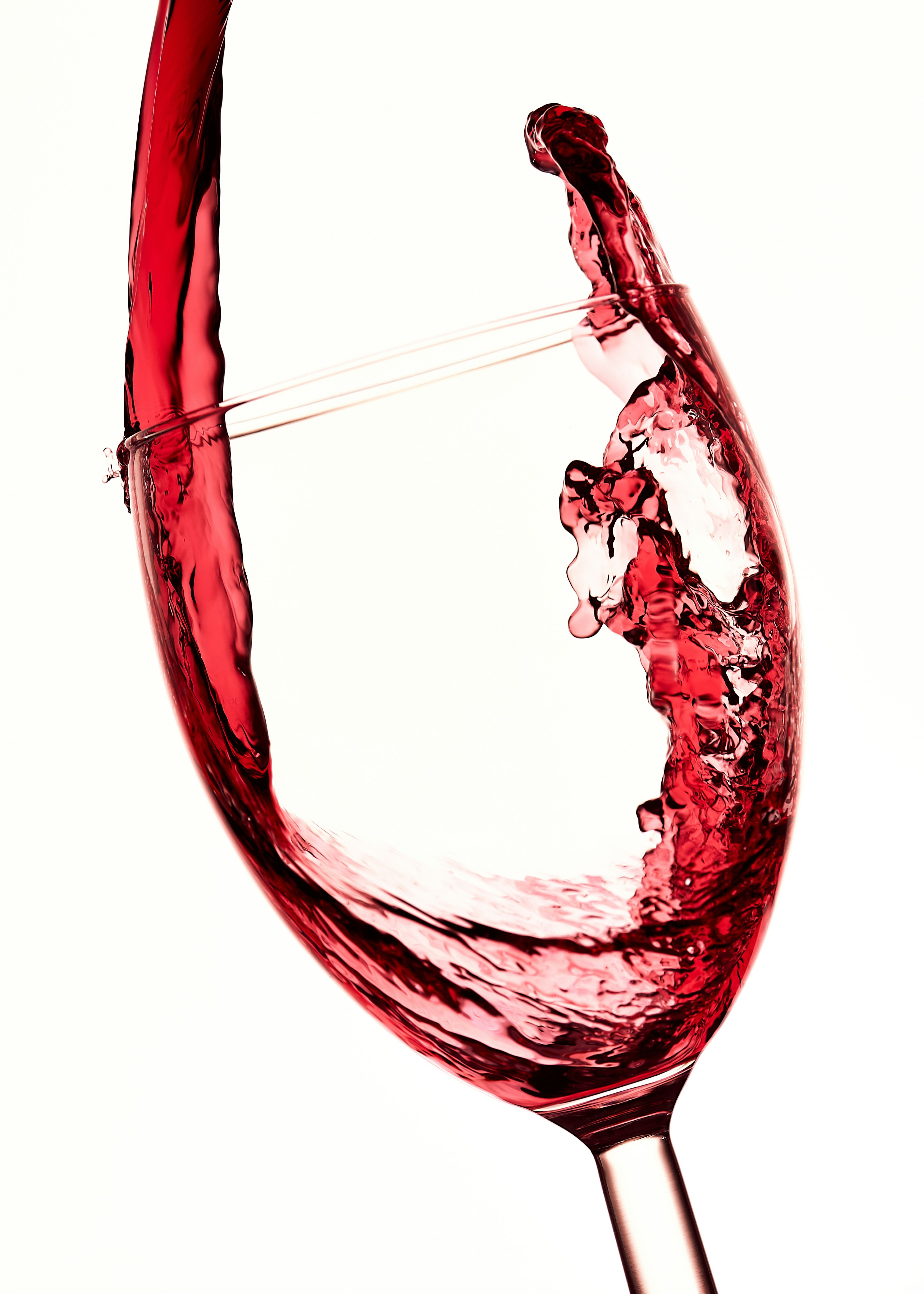
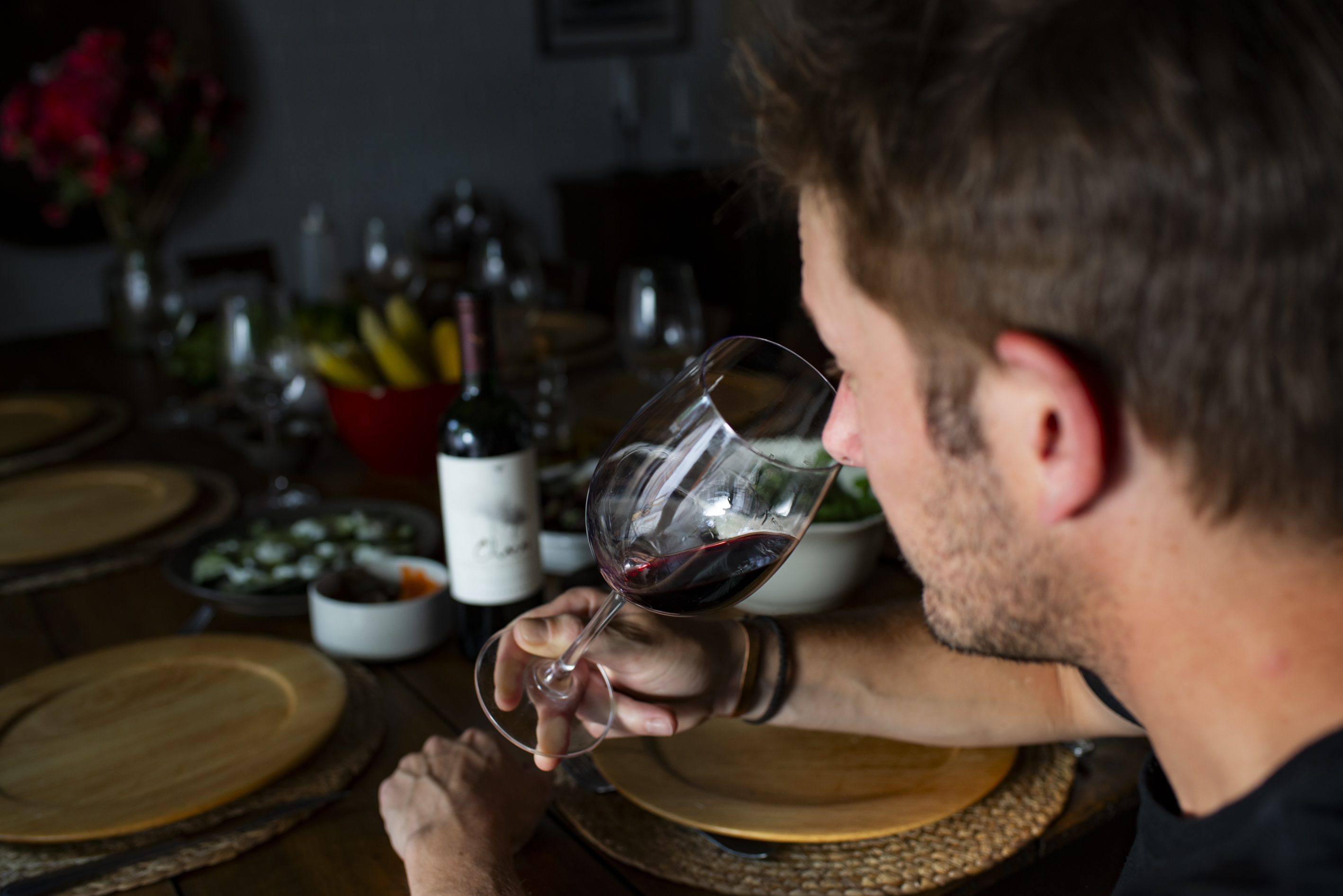
To taste a wine simply, first hold it against the light to observe its color and clarity. Then bring it to your nose and gently smell to identify its initial aromas. Next, take a small sip and let it circulate throughout your mouth to perceive flavors, texture, and acidity. Finally, swallow or spit, and pay attention to the lingering sensation, called “finish” or “persistence.” All of this is done unhurriedly, focusing on each stage.
Service & food pairing
Service
Ideally, wine should be served between 15 and 17°C. However, this rule is not absolute—seasonal conditions can influence it. In any case, don’t hesitate to take the wine out of the cellar at the last moment or serve it slightly too cold: it will warm quickly in the glass.
It is best to decant a wine in two main situations. The first is when the wine is old (usually over 8–10 years), as it may have sediment in the bottle; decanting separates the clean wine from these deposits. The second is when the wine is young and needs to breathe, especially if it is a full-bodied, tannic red; exposure to oxygen softens its edges and opens up its aromas. In short, decanting is done either to clarify an aged wine or to aerate a young wine that is still closed.
Food pairing
What to pair with wine to enhance its flavor
Some ingredients do not pair well with fine wines: eggs, tomatoes, cured ham, lemon, and orange.
Apart from these specific foods, our wines harmonize with any dish prepared with quality ingredients and care, as well as with any meal that brings together guests who enjoy sharing a moment of happiness.